

AC repair in South Patel Nagar may be needed when an air conditioner develops low cooling, weak airflow, water leakage, unusual noise or electrical symptoms. These problems can result from routine maintenance needs or from faults involving the indoor unit, outdoor unit, controls or other components. A useful repair process starts by identifying the symptom and then checking the likely causes instead of replacing parts based on guesswork.
Common AC Problems in South Patel Nagar
Dirty filters and dusty accessible components can restrict airflow. Condensate drainage restrictions can cause water around the indoor unit. Refrigerant conditions may affect cooling, while fan, capacitor, sensor, PCB and other component faults can produce different symptoms. Similar complaints can therefore require different solutions.
Weak Cooling and Airflow
Check the accessible filter according to the manufacturer’s instructions and make sure the airflow path is clear. Confirm the cooling mode and temperature setting. Observe whether the indoor and outdoor sections appear to operate normally. Note whether the problem is present from startup or becomes noticeable after extended operation.
If cooling remains poor after basic checks, professional diagnosis is appropriate. Low cooling does not automatically mean that refrigerant is low. Cleaning, airflow, fan operation, electrical conditions and other components may need to be assessed.
Water Leakage
Water around an indoor AC can be associated with blocked drainage, restricted airflow, ice formation or installation conditions. Note where the water first appears and when it happens. If water reaches electrical areas, switch the AC off and arrange inspection. Removing visible water does not resolve the underlying cause.
Electrical and Mechanical Symptoms
Repeated electrical tripping, a burning smell or abnormal electrical behaviour should be treated as a safety concern. Stop using the AC and arrange professional inspection. New humming, rattling or vibration can also justify diagnosis because the cause may involve a fan, capacitor, mounting or another component.
What Professional AC Repair May Involve
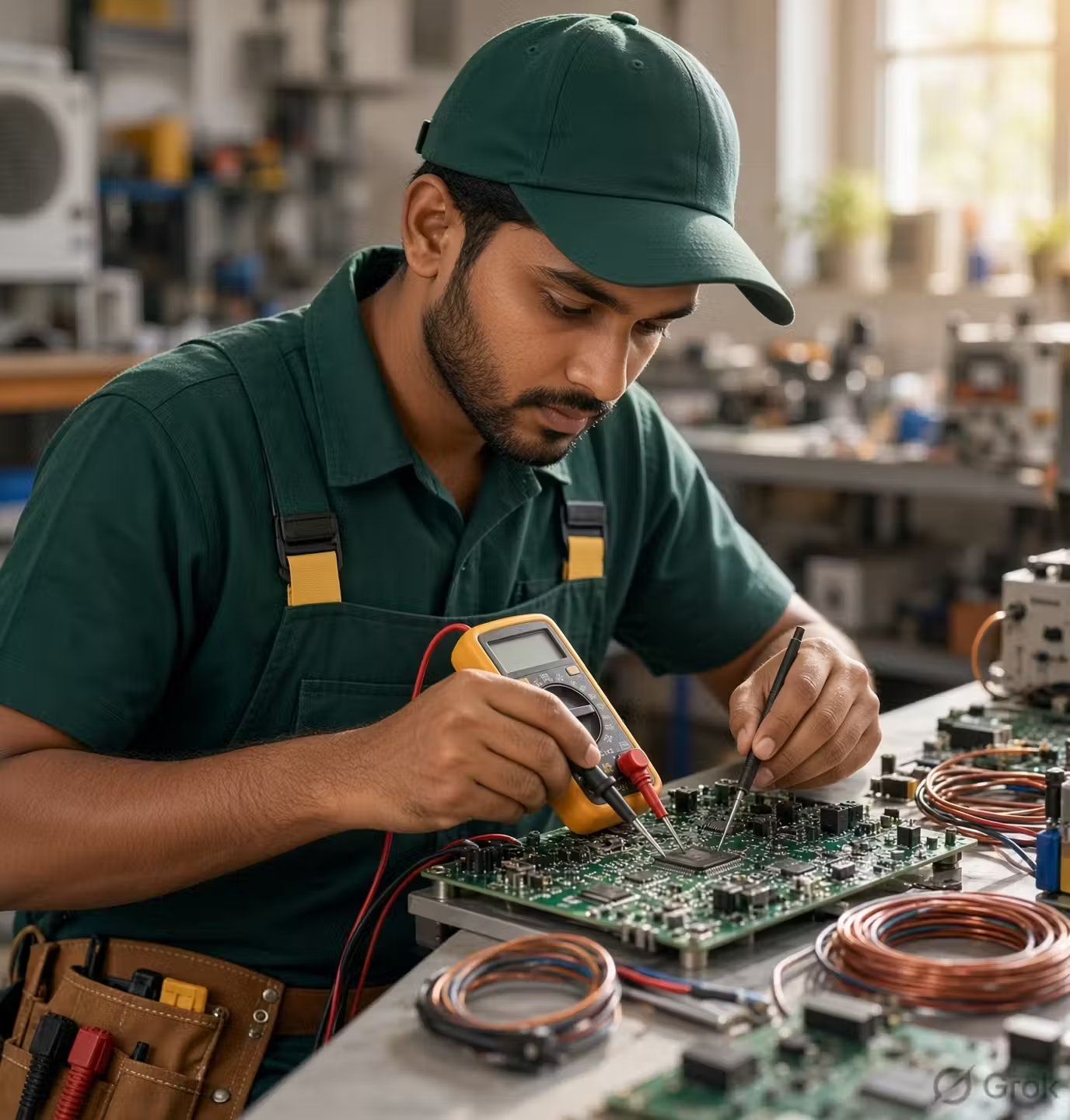
A technician may inspect airflow, drainage, indoor and outdoor operation, electrical conditions and relevant components. Depending on the complaint, testing may cover fans, capacitors, sensors, control boards or refrigerant-related conditions. The exact inspection depends on the AC type, model and symptom history.
Maintenance or Repair?
Some issues can be addressed through routine filter care, appropriate cleaning or suitable drainage maintenance. Other problems require technical repair. Separating maintenance from repair helps avoid unnecessary component replacement and makes the recommended work more closely match the diagnosed condition.
Preparing for Repair in South Patel Nagar
Record the AC brand and model if available, approximate age and when the problem started. Mention recent cleaning, installation, repairs or refrigerant service. Note ice, leakage, unusual sounds, error indications, repeated shutdowns or power trips. Keep reasonable access around the equipment without dismantling panels.
Safe Checks at Home
Follow manufacturer guidance for accessible filter cleaning and keep airflow openings clear. Do not open electrical panels, handle refrigerant or bypass protection devices without suitable training. If there is a burning smell, repeated tripping or water near electrical components, switch the unit off.
After Repair
Observe cooling, airflow, drainage and normal operating sounds after the diagnosed issue has been corrected. Continue routine filter maintenance according to manufacturer guidance. If the same problem returns, arrange further diagnosis instead of repeatedly changing settings or replacing parts without confirmation.
Practical Repair Planning
A diagnosis-first approach is useful because the same AC symptom can have different causes. Inspection may consider filters, airflow, drainage, indoor and outdoor units, fans, controls, electrical operation and refrigerant-related conditions. Major components such as a PCB or compressor should be considered only after appropriate testing.
Before service, note the AC type, model if known, approximate age, recent maintenance and when the problem occurs. Mention water, ice, unusual sounds, weak airflow or repeated shutdowns. Keep accessible areas clear, but do not open electrical panels or sealed refrigerant circuits yourself. After repair, check cooling, airflow, drainage and normal sounds, and arrange further diagnosis if the same problem returns.
For customers looking for AC repair in South Patel Nagar, AC Buddy provides practical information about common symptoms, safe checks and repair considerations. The appropriate solution depends on the AC type, condition and diagnosis. A careful inspection is the sensible starting point for persistent AC problems.
